Chatbots: an effective customer support solution
Chatbots: revolutionizing customer support with automation
Imagine a customer asking a question at 2am. Rather than waiting for support to open, he receives an immediate response. Surprising, isn't it? Yet this is the reality that chatbots offer businesses. By 2025, 73% of SMEs that had integrated chatbots into their customer support reported a 30% increase in customer satisfaction. This figure testifies to the radical impact these automation tools can have on customer interactions.
What is a chatbot and how does it work?
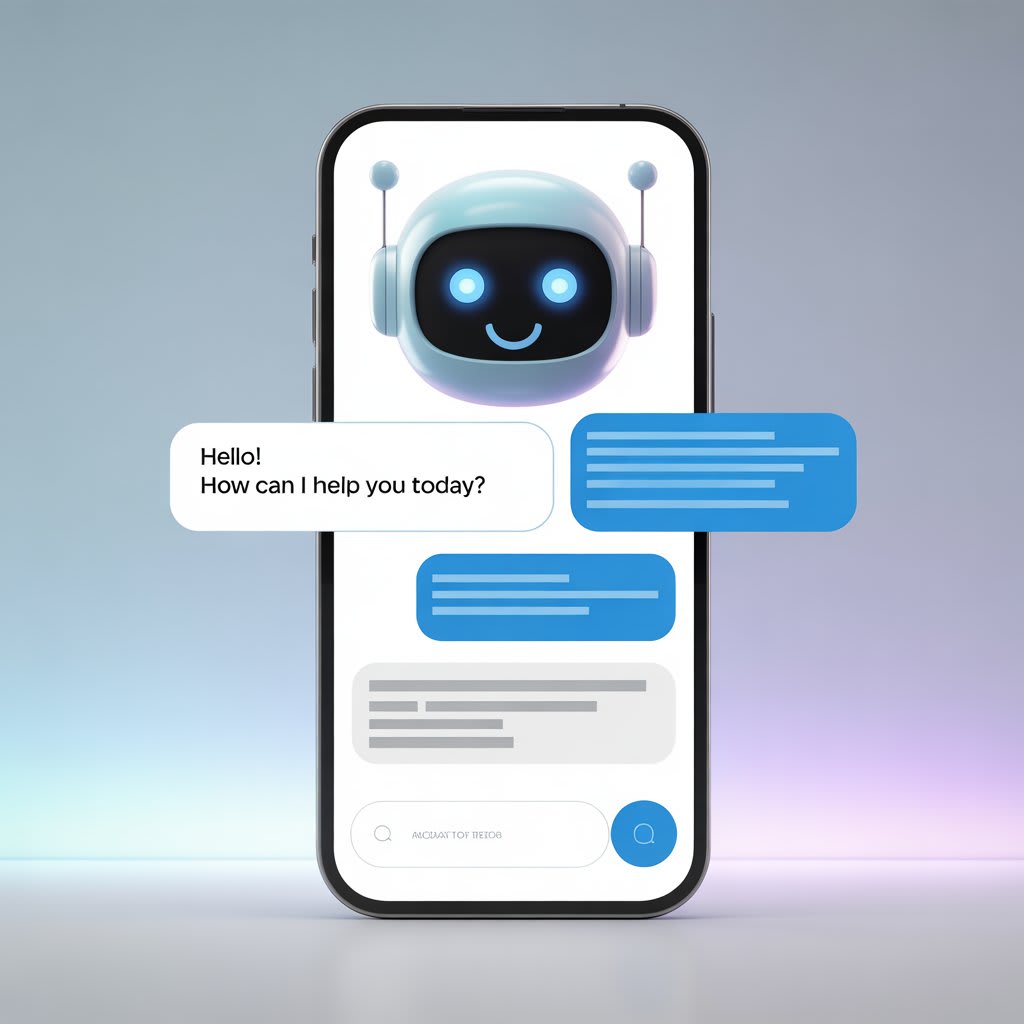
A chatbot is a computer program designed to simulate a human conversation. It uses artificial intelligence and natural language processing algorithms to understand and respond to user requests. Whether on a website, messaging app or social network, chatbots are at the heart of an ever-growing trend.
The way they work is based on two main types: rules-based chatbots and AI-powered ones. The former follow pre-established scripts, while the latter learn and adapt from interaction data. This learning capability enables AI chatbots to provide more relevant and personalized responses, thus enhancing the user experience.
The benefits of chatbots for customer support
Chatbots don't just answer questions. They offer a host of benefits that can transform your approach to customer support:
Concrete use cases
The potential of chatbots is illustrated in many sectors. Take e-commerce, for example. Some companies have integrated conversational agents capable of handling returns, advising customers on products and performing upsells. By 2023, a study found that companies using chatbots for customer support had increased their sales by an average of 20%.
In the service sector, insurance companies use chatbots to guide customers through the claims process. These virtual agents answer frequently asked questions and provide information on insurance policies, thus reducing the burden on human agents.
How to set up an effective chatbot?
Adopting a chatbot requires a considered approach. Here are a few key steps:
- Define objectives: What do you want to achieve with your chatbot? Improve customer service, increase sales or reduce costs?
- Choose the technology: Opt for a solution that matches your needs. Do you want a rules-based chatbot or an AI-powered conversational agent?
- Integrate with existing systems: Make sure the chatbot can connect to your CRM tools and other platforms to deliver a seamless experience.
- Train the chatbot: Feed it with relevant data so it can learn and improve continuously.
- Monitor and optimize: Analyze interactions to identify areas for improvement, and adjust responses accordingly.
Challenges to overcome
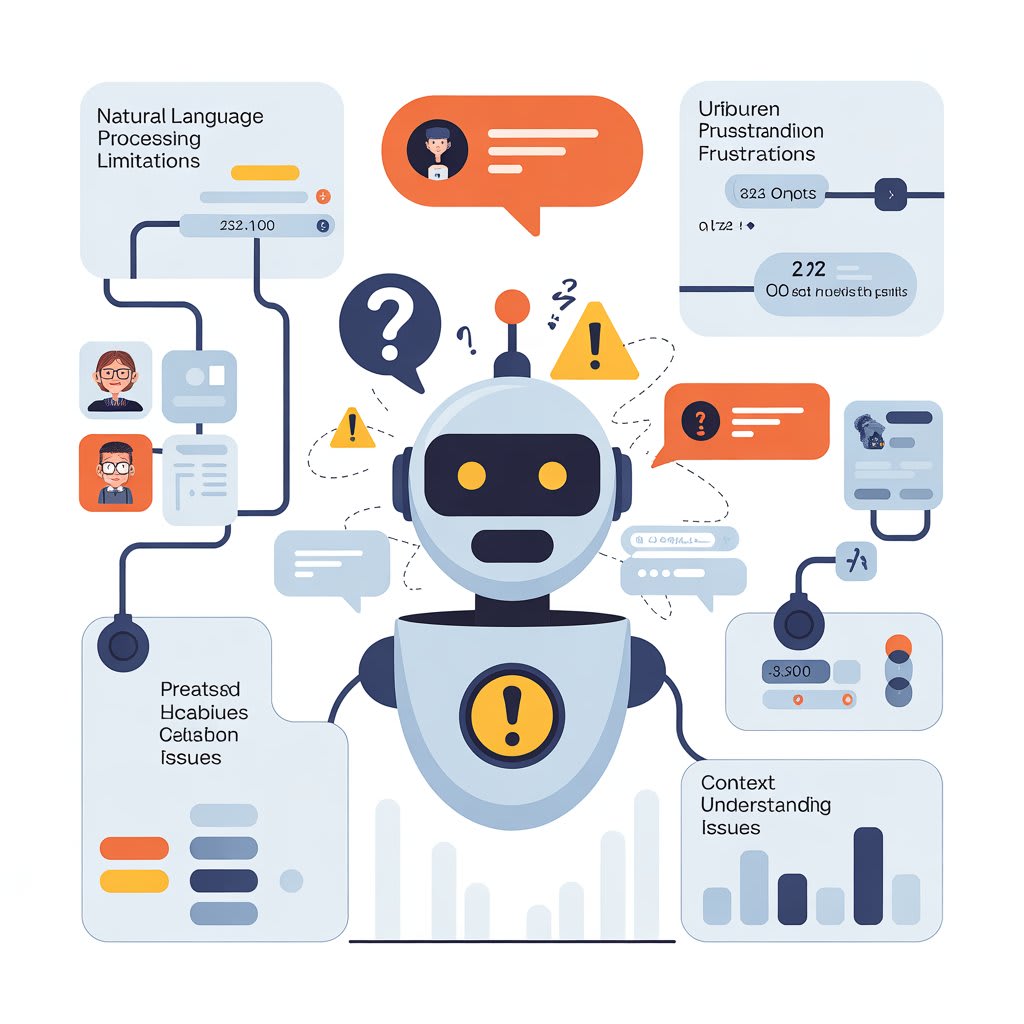
Although chatbots offer many advantages, their implementation is not without its challenges. One of the main obstacles is resistance to change. Some employees may fear that automation will replace their work, when in reality, it's meant to support them. What's more, a poorly configured chatbot can frustrate customers. So it's crucial to constantly test and optimize your solution.
Towards widespread adoption of chatbots
By 2025, the use of chatbots is set to explode. According to forecasts, 85% of customer interactions will be handled by automated systems. This trend underlines the importance of preparing now. Companies that fail to adapt risk being left behind.
Are you facing the same challenge? Discover our automation and web development solutions tailored to your needs.
A strategic choice for the future
Investing in chatbots for customer support shouldn't be seen as a simple option, but as a strategic necessity. By integrating these tools, you position your company at the cutting edge of innovation. Not only do you improve the customer experience, you also optimize your internal resources.
Ready to transform your customer support? Discover our services or book a call to explore how we can support you in this transition.